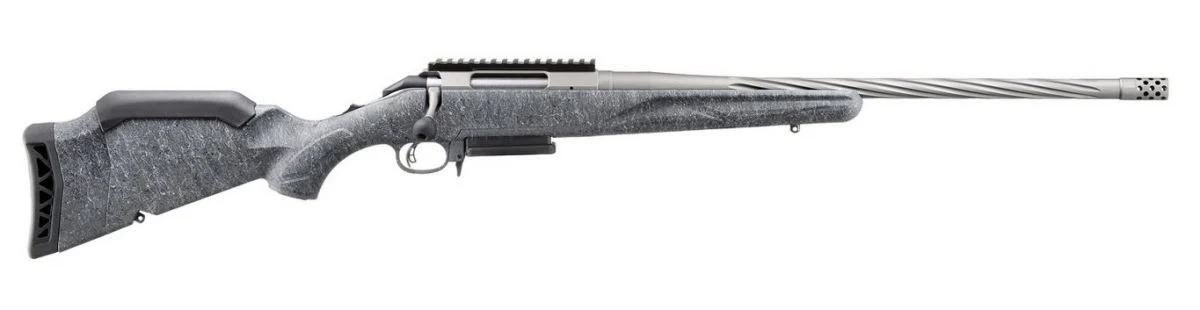
Idaho elk and deer rifles for the 2026 seasons
Idaho is a general-season state in a way that most of the West no longer is. You can walk into a vendor, buy a deer tag and an elk tag over the counter, and hunt public land the same fall. That is the reason people move here. It also means the unit and zone you pick matters more than the rifle you carry, so start with the 2026 Big Game Seasons and Rules brochure and work back to the gun.
2026 deer season dates
The regular deer tag is good for a mule deer or a white-tailed deer unless a unit says otherwise. General archery runs August 30 to September 30 across most of the state, with a permit validation on your license. The general any-weapon season opens October 10 in the great majority of units and closes either October 24 or October 31. A few blocks run to their own clock:
- Backcountry: Units 16A, 17, 19 and 20 in the Selway country run September 15 to November 20, the longest general rifle hunt in Idaho.
- Panhandle: Units 1, 2, 3, 4A, 5 and 6 are white-tailed deer only October 10 to 31, then any deer November 1 to 14, with a late whitetail hunt November 15 to December 1.
- Clearwater and Palouse: Units 8, 8A, 10, 10A, 12, 15 and 16 run October 10 to November 3.
- Short range: Unit 38 in the Treasure Valley is short-range weapons only, October 10 to 31, and part of Unit 53 along the Snake runs August 30 to November 6.
Controlled hunts for deer, elk and pronghorn are applied for between May 1 and June 5 each year, so the 2026 draw has already run. Zone tags for some elk zones are capped and sold first come, first served in July.
How Idaho elk works
Idaho divides elk country into 29 management zones, each with an A tag and a B tag. The A tag is usually the archery tag and the B tag the any-weapon tag, but the split changes zone by zone, and in several zones the tags are capped. Three examples show the range:
- Boise River Zone (Units 38 and 39): the A tag is archery only for any elk in Unit 39 from November 10 to 30; the B tag is any weapon, antlered only, in Unit 39 from October 27 to November 9. The portion of Unit 39 inside Ada County is closed to the general archery hunt.
- Sawtooth Zone (Units 33, 34, 35 and 36): archery for any elk August 30 to September 30 on a 1,000-tag first-come quota, and any weapon for antlered elk October 15 to November 8 on an 1,800-tag quota.
- Panhandle Zone (Units 1 through 9): A tag archery for antlered elk August 30 to September 30 and any weapon for antlered elk October 25 to 29; B tag archery September 6 to 12 and any weapon October 10 to 24.
Read your zone page before you buy. A five-day rifle hunt and a five-week rifle hunt both exist in this state, and they are not interchangeable.
The weapon rules Fish and Game enforces
These apply in every hunt, including any-weapon seasons. It is unlawful to pursue or kill big game:
- With a firearm that, with scope, sling and any attachments, weighs more than 16 pounds
- With a shotgun using shot smaller than #00 buck
- With a rimfire rifle, rimfire handgun or muzzleloading handgun, except for mountain lion and legally trapped gray wolf
- With an electronic device attached to or built into the firearm or scope, except battery-powered or tritium-lit reticles
In short-range weapon seasons you are limited to shotgun slugs or #00 and larger buckshot, a muzzleloader of at least .45 caliber for deer and .50 for elk, a bow of 40 pounds or more, a crossbow of 150 pounds or more, a handgun using straight-wall centerfire cartridges, or a pre-charged pneumatic airgun of at least .35 caliber for deer and .45 for elk.
Cartridges that fit Idaho
Idaho asks a rifle to do two different jobs. In the Panhandle and the Clearwater you are shooting whitetails at 60 to 200 yards in wet timber. On the Snake River breaks, the Pahsimeroi, the Lemhi or the Owyhee you are looking across a canyon at a mule deer, and 350 yards is a normal answer.
- Deer, all round: .243 Winchester, 6.5 Creedmoor, .270 Winchester, 7mm-08 Remington and .308 Winchester cover almost everything with mild recoil.
- Deer and elk on one tag: .30-06 Springfield is still the honest answer, with .270 Winchester and 6.5 PRC close behind.
- Elk and long canyons: 7mm Remington Magnum, 7mm PRC, .300 Winchester Magnum and .300 PRC, with a bullet built to hold together on a shoulder.
Match the bullet to the job. A tough bonded or monolithic bullet in the 140 to 180 grain range does more for you on an elk than another hundred feet per second.
Rifles that earn their keep here
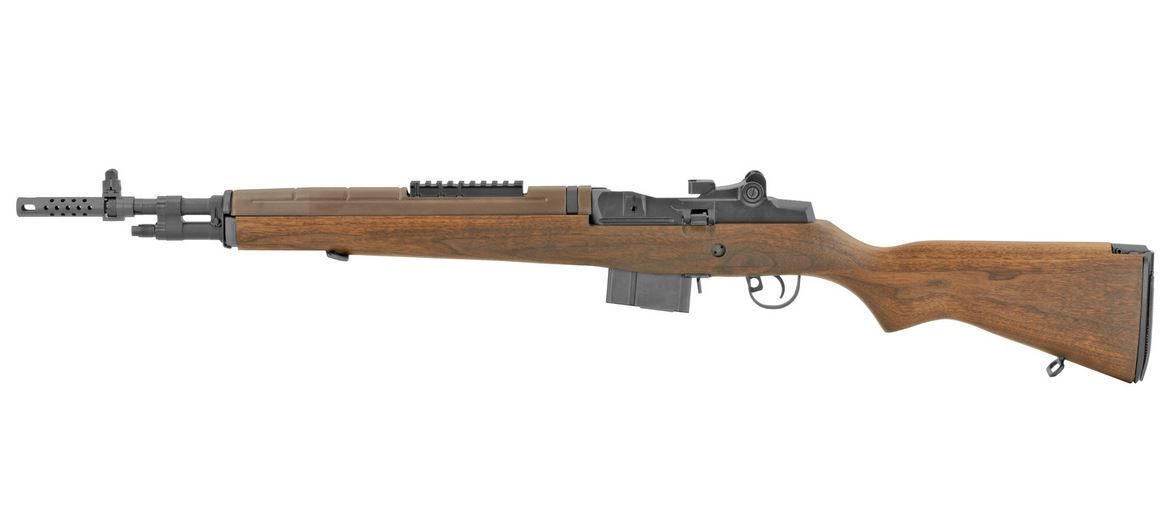
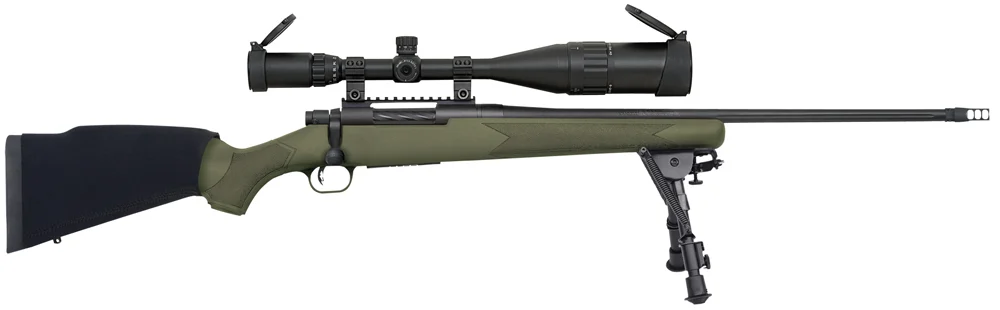
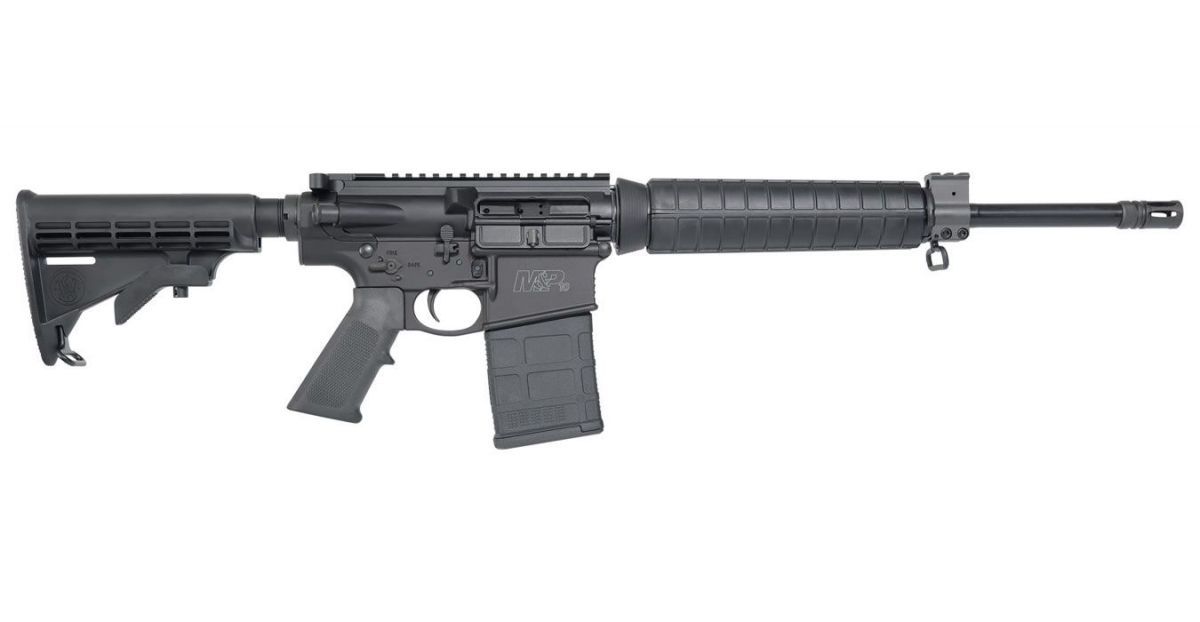
For a backcountry elk rifle, weight is the first specification. A Tikka T3x Lite, a Christensen Arms Mesa or Ridgeline, a Browning X-Bolt Speed or a Weatherby Mark V Backcountry all sit between six and seven pounds bare, which matters at 8,000 feet in the Salmon River country. If the budget is the constraint, a Savage 110 or a Ruger American Rifle shoots as well as anything and leaves money for glass. On the wet side and in the short-range units, a slug gun or a straight-wall handgun is the tool, and a scoped pump in 12 gauge with rifled slugs covers Unit 38 nicely.
Glass, rests and the rest of it
A 3-9x40 or 2.5-10x42 with a clear reticle covers most Idaho hunting; a 4-16x or 3-18x makes sense if you genuinely shoot past 400 yards and have practiced at that distance. Bring a lightweight tripod for glassing sage basins, a bipod or a pack for the shot, and good binoculars, because in the high desert you will find animals with the binoculars long before you find them with the rifle. Browse the catalog, check your unit on the city pages, and read the Idaho gun laws guide if you are buying from out of state.
General information, not legal advice. Current as of September 2026. Laws change; check the official source before you act.